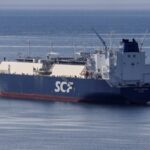


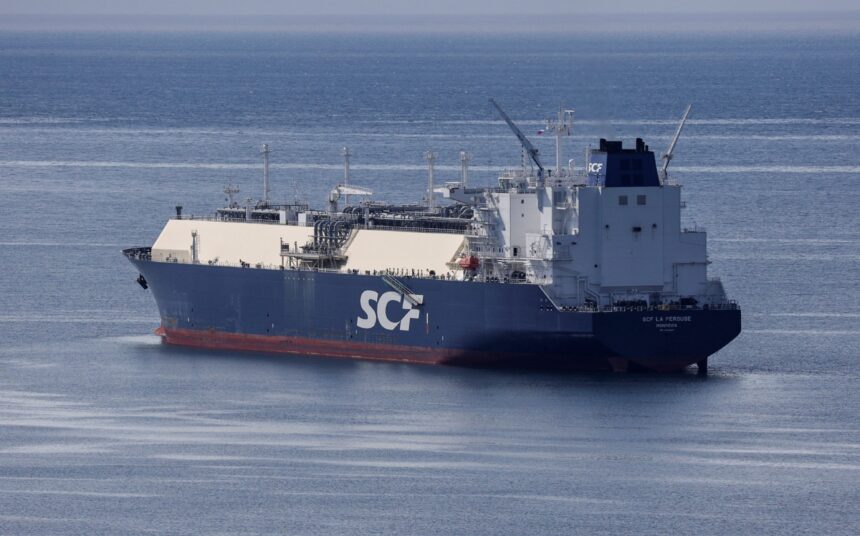
Sanctions have already hit Russian oil, coal, banks, and tech, but LNG has been kind of ignored. Russian tankers kept docking in Europe, and Russia kept making a lot of money, which then helped fund the war in Ukraine. Now, things are changing in Europe as leaders are getting fed up. It’s not just about gas anymore; it’s about politics, the war, survival, and how people will pay their heating bills when it gets cold.
LNG is super important. It keeps homes warm, hospitals running, schools lit, and factories going. Cutting it off isn’t just a statement; it hits people hard. That’s why leaders hesitated at first. But after almost two years of war, being too careful looks like weakness. Now, EU leaders are finally saying what a lot of people have been thinking: enough is enough. It’s hard to ignore the awkward truth. Last year, Russia made billions selling LNG to Europe, which helped pay for their war. Ukrainians questioned how Europe could say they didn’t like the war but still give money to Russia. Every LNG shipment to Europe was like funding the other side.
Europe wants to change that. They’re not planning to stop it right away because that would mess things up too much. Instead, they’re trying to stop new LNG deals with Russia, which would make it tough for Russia to sell in the future. It’s like what they did with oil: slowly cut ties, become less dependent, and make Russia find other buyers. The plan is to slowly make the rules tighter until the money stops flowing.
The EU is complicated, with 27 countries, each with its own worries. Some countries want to stop it completely because they see it as important for their safety. Other countries are telling everyone to be careful because they really need LNG and worry about energy prices going up, like they did last year.
But things feel different now. Big countries are thinking about doing more. Diplomats are talking about different ideas, like stopping new deals, adding taxes on Russian shipments, and setting dates to stop imports. Nothing is set yet, but it seems like LNG’s days in Europe are numbered.
Russia is trying to sell more gas to China and India, but it’s not easy. They don’t have many pipelines, and it takes years to make new LNG plants. Europe is still one of Russia’s biggest customers. If Europe says no, Russia will lose billions and have less money for the war.
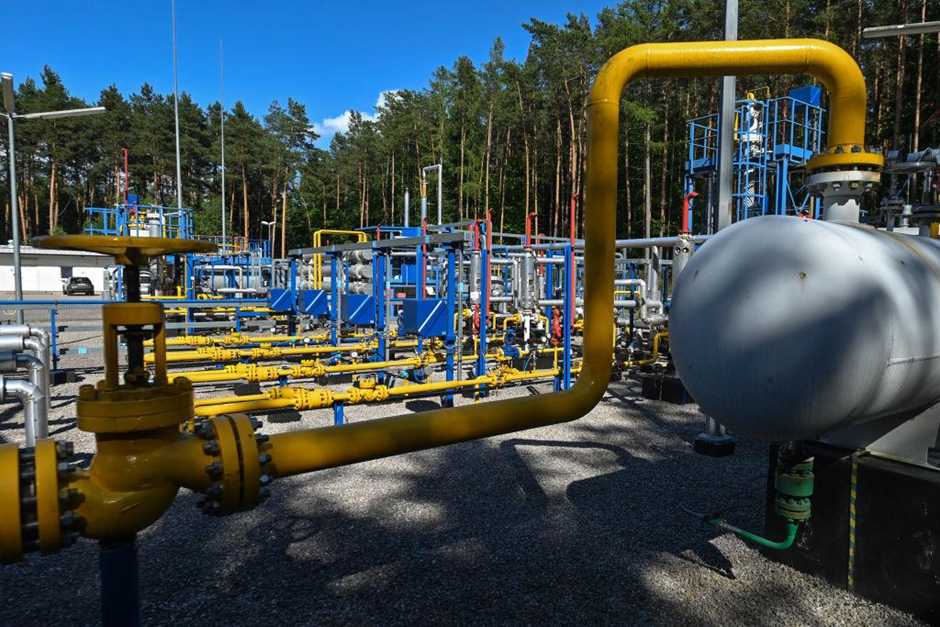
Most people in Europe are more worried about what they spend every day, like rent, food, and heating. They don’t care about EU talks; they just don’t want their bills to get super high. For them, LNG is just about being able to live. The question is always: can we pay for it? This is related to Europe’s plan for green energy. Leaders say the war shows that Europe needs to switch to clean energy faster. While that’s true, you can’t just switch to renewables overnight. Putting restrictions on LNG would help, but it could also cause another problem. It’s a tricky situation, and nobody wants to mess up.
The U.S. is paying attention. American LNG companies are already making more money because Europe is using less pipeline gas from Russia. Stopping Russian LNG could make them even richer. But the U.S. also wants Europe to be united and strong against Russia. If Europe has problems paying energy bills, it makes the group weaker. So, what’s going to happen? Most likely, they’ll meet in the middle. Not a full stop right away, but limits on new deals with Russia. Just enough to hurt Russia without causing another crisis in Europe. Slowly making the rules tighter.
For Ukraine, any restriction is a win and shows they aren’t forgotten. For Russia, it’s another financial hit. For Europeans, it’s another test. Can they stand strong against Russia without struggling to pay their own bills?
This is more than just gas. It shows how modern wars go beyond fighting and how pipelines can be as important as tanks. It’s about whether Europe can keep its promises with real actions.
Restrictions aren’t just rules; they are statements and show where you stand. And right now, Europe is looking at LNG. It used to be about warmth and stability, but now it’s a sign of strength, depending on what Europe does next.