


Oil and gas have always been super important for Russia, basically keeping the country going, even when things get tough. But September brought some bad news. It looks like income from oil and gas could drop by almost 23% compared to last year. That’s a huge amount. Since Russia relies so much on these resources, this is a big deal. It affects how people pay for stuff, how pensions are paid, and how much the government can spend.
Last year, Russia made a lot of money from energy. Oil and gas prices were high because of problems with supply, new rules, and general uncertainty. Everyone wanted to buy, so Russia made good money, even with all the chaos. This year, it’s different. Prices have gone down. People aren’t buying as much. The world has gotten used to new ways of trading. Russia is still selling, but making less money for each barrel or cubic meter. Plus, the ruble has gotten a bit stronger, so the money they make from exports turns into fewer rubles. A stronger ruble sounds good, but the government sees it as losing money.
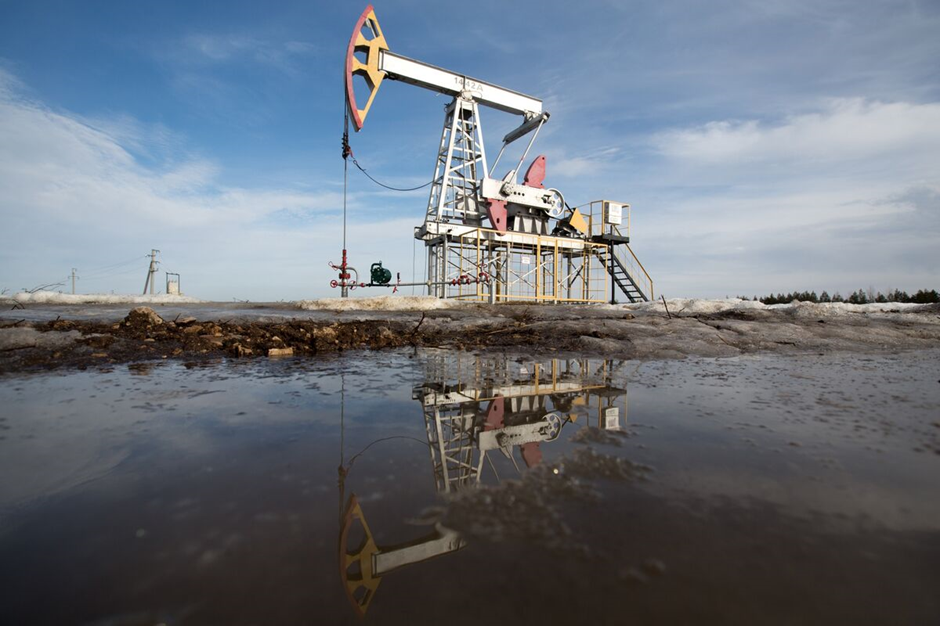
That’s where the trouble starts. It’s not just about prices and markets. It’s about what the government has promised. They spend a lot on military stuff, helping people, and keeping the economy stable. Oil and gas are supposed to pay for a lot of that. When income drops, things get harder. Russia has talked about making its economy more diverse, but it still depends a lot on oil and gas. It pays for roads, pensions, salaries, and even the military. When the money goes down, people get worried.
Think about a truck driver in Tyumen who carries stuff for oil rigs. If there are fewer projects, he drives less. That means less money, and his family has a harder time. Or imagine an old woman in Novosibirsk who depends on her pension. Prices have already gone up, so she’s worried about whether she’ll keep getting her payments on time. These are real worries when the oil money isn’t flowing like it used to.
The government says they’re in control. They say they have money saved up that can cover any losses for a while. And that’s true, but those savings won’t last forever. People remember past problems. They know things can go bad quickly if income drops for too long. Experts say that if things stay bad until the end of the year, the government will have to make some hard choices: raise taxes, cut spending, or borrow more money. None of those are good. Raising taxes could hurt the economy. Cutting spending would hurt people who depend on help from the government. Borrowing too much could make prices go up, making things even harder for families.
This also matters to the rest of the world. Oil and gas markets are all connected. If Russia’s income drops, it can affect prices, supply routes, and investors. Problems in Russia’s energy situation can cause problems in Europe or Asia. That’s why these numbers are important for everyone, not just Russia.
For Russians, it feels personal. People get nervous. They remember when the ruble had problems before. They’ve seen how a bad month for energy income can lead to years of economic problems. Workers worry about losing their jobs. Families worry about their pensions. Business owners wonder if people will still buy things. And everyone wonders if the government can keep things stable.
There’s also climate change to think about. Rising sea levels and energy changes won’t stop earthquakes or oil problems, but they make the future harder to predict. Scientists say that big waves and storms could be worse than before, and the world’s move to different energy sources means that the demand for oil and gas might stop growing or even go down. For now, oil is still very important in Russia, but it’s not as stable as it used to be.
What September shows is simple: Russia needs oil and gas, but that’s also a problem. When prices are high, the country feels strong. When they fall, you see how fragile things are. A drop of almost 23% is a big sign that the economy is still not on solid ground. The government can say they have savings to help. Experts can argue about whether things will get better soon. But regular Russians are wondering: Will salaries keep up with prices? Will pensions arrive on time? Will jobs be safe?
In the end, it’s not just about oil or money. It’s about people trying to live normal lives in a country that depends too much on something it can’t control. Russia is moving forward, but the numbers from September remind everyone that if oil has a problem, the whole country suffers.