


Life in Kamchatka is usually pretty calm. Picture quiet towns and cold, windy nights. You’ve got the Pacific Ocean on one side and volcanoes all around. People here are used to nature acting up. They know the ground sometimes moves; it’s just part of living on the Ring of Fire. But when things really start shaking, no one’s ever truly ready.
That night started like any other. It was quiet. You could hear dogs barking far away and the soft sound of the ocean. Then, a little rumble began. At first, it felt like a big truck driving by way off in the distance. People noticed, but didn’t worry too much. It happens. Then the floor started shaking harder. The walls creaked, windows rattled, dishes fell, and beds shook. Kids woke up crying.
It wasn’t a truck. It was an earthquake.
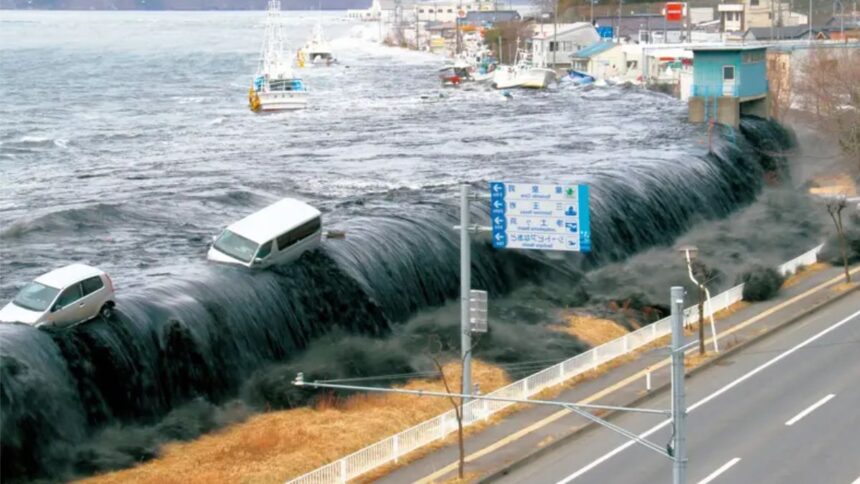
Right away, the sirens went off. Everyone near the coast knows what that means: a tsunami. Time to head for higher ground.
They said it was a 7.8 quake. The number doesn’t matter when the ground is moving like that. It’s all about staying safe. I saw moms grabbing kids, dads throwing on coats, and cars rushing away from the coast. Families ran outside with flashlights into the freezing air. Nature was in control.
Kamchatka always has earthquakes. Small ones are normal. People don’t even pay attention during dinner; they might even joke about them. But every quake brings the same thought: What if this is a bad one? What if the sea comes up? When the sirens go off, people get really scared.
That night, you could feel the fear all around. People went to schools, which were used as shelters. They stayed together, checking the news on their phones when they could. Others drove to the hills and waited in silence, headlights off, watching the ocean. Fog made it hard to see. People started whispering. Someone said the sea had gone out really far, which means a wave is coming. Another said they heard something. No one knew what to believe. Waiting was the worst part.
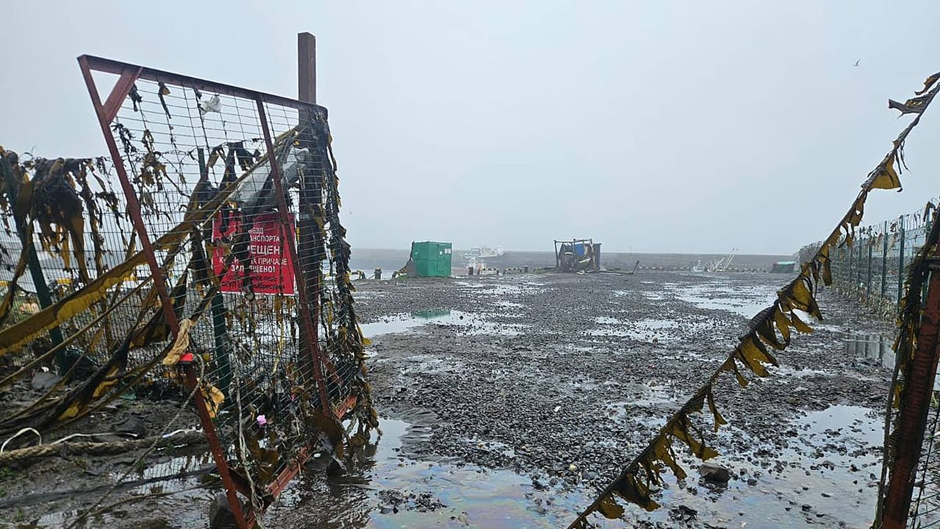
Morning finally came, gray and cold. But people were so relieved. No big wave had hit the towns. The sea went up and down a bit, but that was it. People walked home, tired and cold, holding their kids. Houses were still there. Boats were still at the docks. Some windows were broken, and there were some power outages, but the towns were still standing. Safe, for now.
But being relieved doesn’t make you forget. Parents held their kids close. Old people sat and stared at their tea. Some families looked at their emergency kits, checked their supplies, and told themselves they’d be ready next time. There’s always a next time. It wasn’t just about buildings shaking. It was about the people. A fisherman running from his boat, hoping it wouldn’t get washed away. A grandma saying, “It’s okay,” to her granddaughter, even if she didn’t believe it. A doctor rushing to the clinic, ready for people who did need help. Those are the moments you remember later.
The news said people reacted quickly. Emergency workers cleared roads, opened shelters, and checked hospitals all night. Russia’s Ministry of Emergency Situations said there was some damage: broken glass, power outages, and spotty phone service. Kamchatka got lucky. Really lucky. But luck isn’t a plan. Scientists said that a quake that size could have caused a big tsunami if the seafloor had moved differently. The risk is always there. Solid buildings, quick warnings, and drills can help. Everyone here knows those sirens will sound again.
The world saw what happened in Kamchatka. Social media showed families outside in blankets, looking scared. Tsunami warnings went out to Japan and Alaska before being canceled. One earthquake in Russia caused worry everywhere. The local economy took a hit. Fishing boats stayed in the harbor. Shops closed. Tourists canceled their trips. Even if nothing serious happens, worry can still cause problems. People in Kamchatka are strong, but fear is expensive.
Climate change doesn’t cause earthquakes, but it can make tsunamis worse. Higher sea levels mean waves can travel further and hit harder. Towns that used to be safe might not be anymore. That same quake from years ago might be more dangerous now. That’s what people think about when they already have enough to worry about. In the end, it’s about the people. The sound of running. The sirens that scared everyone. The quiet waiting, wondering if you’d have a home to go back to. The relief when morning came and showed that everything was still there.
The world will forget about this quake, probably. But Kamchatka won’t. Families will stock up on more batteries and water. Parents will keep a closer eye on the ocean. And when the ground shakes again, they’ll hug their children even tighter. Life is back to normal. Schools are open. Shops are open. Fishermen are back at sea. But everyone remembers. This wasn’t the last earthquake. It never is. The sirens will scream again. The people here will have to decide what to do: run, wait, or hope.
For now, they keep going strong, but shaken in a place where the earth is alive, and where any quiet night can turn crazy in a matter of seconds.