



Life, as they say, finds one way, only in the most sterile places on earth.
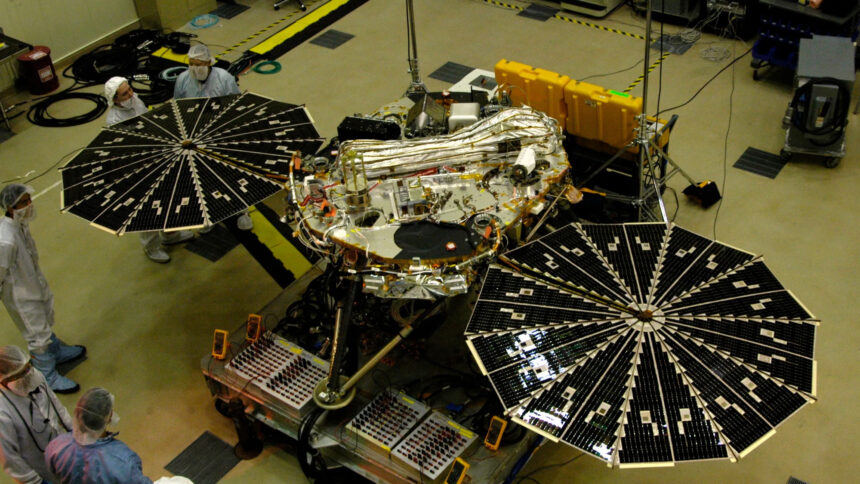
Nasas scientists Jet Propulsion Laboratory (JPL) In southern California, together with researchers in India and Saudi Arabia, they have discovered 26 bacterial species previously unknown in the clean Roman who were used to prepare NASAS Phoenix Mars Lander For its launch in August 2007.
Clean rooms They are decontaminated and intensely controlled environments specifically designed to prevent microbial life from hooking space. But some microorganisms, known axis ExtremophilesIt shows an impressive resilience in inhospitable environments, either the emptiness of space, Hydrothermal vents On the slopes of submarine volcanoes, or even NASA’s clean rooms.
“Our study aimed to understand the risk that the ends are transferred in space missions and identify which microorganisms could survive the hard conditions of the space,” said the member of the Alexandre Rosado study team, a researcher at the University of Science and Technology of King Abdullah (Kaust) in Saudi Arabia, in a statement.
“This effort is essential to monitor the risk of Microbial contamination and safeguard against the involuntary colonization of the explorers, “Rosado added.
These resistant microbes can also sacrifice ideas that could have life in Land. The scientists conducted genetic research on samples gathered from the installation of dangerous cargo service in NASAS Kennedy Space Center In Florida, one of the last stops for Phoenix before its launch from the neighboring space of the Cape Cañaveral space force (then known as the Cape Cañaveral Air Force station).
They found 53 strains that determined belonged to 26 novel species. And they dug into the genomes of these newly discovered ends, looking for clues that could help explain their extraordinary capacity for survival. The keys can be in genes linked to the repair of DNA, the detoxification of harmful substances and the promoted metabolism, the cordination to the equipment.
“The genes identified in these recently discovered bacterial species could be designed for applications in medicine, food preservation and other industries,” said Junia Schultz, postdoctoral fellow in Kaust.

And, of course, research will help NASA improve its clean room protocols to minimize the risk of biological pollution in future missions.
“Together, we are unraveling the mysteries of the microbes that resist the extreme conditions of space: organisms with the potential to revolutionize life sciences, bioengineering and Microbioma.